

The Esk’s latest analysis, which looked into state-owned funding in the Premier League, estimates that Newcastle United’s Saudi/PIF-linked commercial revenue has fallen from around £35m in 2024/25 to between £7m and £10m in 2026/27.
That means that, over the last couple of seasons, the Magpies have seen approximately a 75% reduction in owner-linked commercial revenue.
Importantly, that isn’t because the club has collapsed commercially. In fact, it has been quite the opposite and Newcastle United are now stronger commercially than they have been in a long time.
Where the £35.5m came from
Newcastle built up a whole host of commercial deals which were a direct result of the PIF ownership in the period directly after the takeover.
When 2024 rolled round the club had the Sela shirt sponsorship which was worth around £25m per season and was entirely PIF-owned. There was the Noon sponsorship which also had heavy ties to PIF and brought in around £7.5m per season and the Saudia partnership that created £3m per season in extra revenue.
Of course, those revenues can’t entirely be attributed to purely PIF, but those companies did have strong links to the fund meaning that approximately 30% of the Magpies’ £120.2m commercial revenue and 10% of the club’s total revenue could be, in part, put down to the owners.
But that has now changed
That did leave the commercial side, in theory, a little bit vulnerable given there wasn’t much diversity in the type of companies who were partnering with Newcastle as an organisation.
But, just two seasons later, and a lot of that has changed.
Club CEO David Hopkinson and sporting director Ross Wilson have both made a big push in line with this new era of the project to restructure the revenue side of the club and make it more sustainable for the long-term.
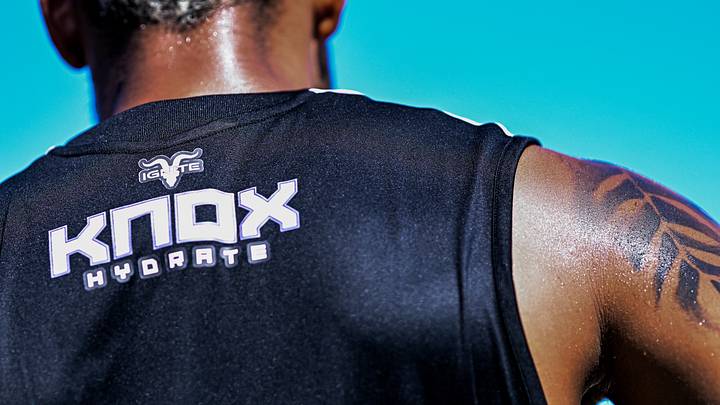
That has involved a set of new deals. The Sela shirt sponsorship ended upon the close of last season and has been replaced by a partnership with KNOX Hydration, which is a South African company, which could reportedly be worth £60m across a three-year partnership if bonuses are met.
The drinks company has also entered a training ground sponsorship which reportedly amounts to around £6m per year.
There is also a new deal in place for the sponsorship of STACK, which now has the Coca-Cola branding plastered across it in exchange for around £4m across its lifespan.
Crucially, neither of the two companies brought on board has any ties to PIF.
The transformation
What those changes mean is that Newcastle have gone from having 30% of commercial revenue and 10% of total revenue driven by PIF, to 6-8% of commercial revenue and total revenue now around just 2-3%.
We should note that the initial growth in commercial revenue, from £83.6m to £120.2m, came during the period in which these PIF-linked deals were contributing significantly to the club’s income. But with many of them being upgraded, there is a large possibility that the Magpies will once again record a rise in that area.
The most important thing within that is that the deals are now much more diverse than they were then too and now Newcastle have established a clear strategy to commercial growth without having to rely on their owners’ own assets.
Whilst many will probably see that as the ownership group losing interest and thinking about selling up in the future, what it may actually signify is that Newcastle United are in a much more sustainable position to navigate any challenges that may be thrown their way.
 Add us as a preferred source on Google